
Stratégie sur le match nul
 Available in US
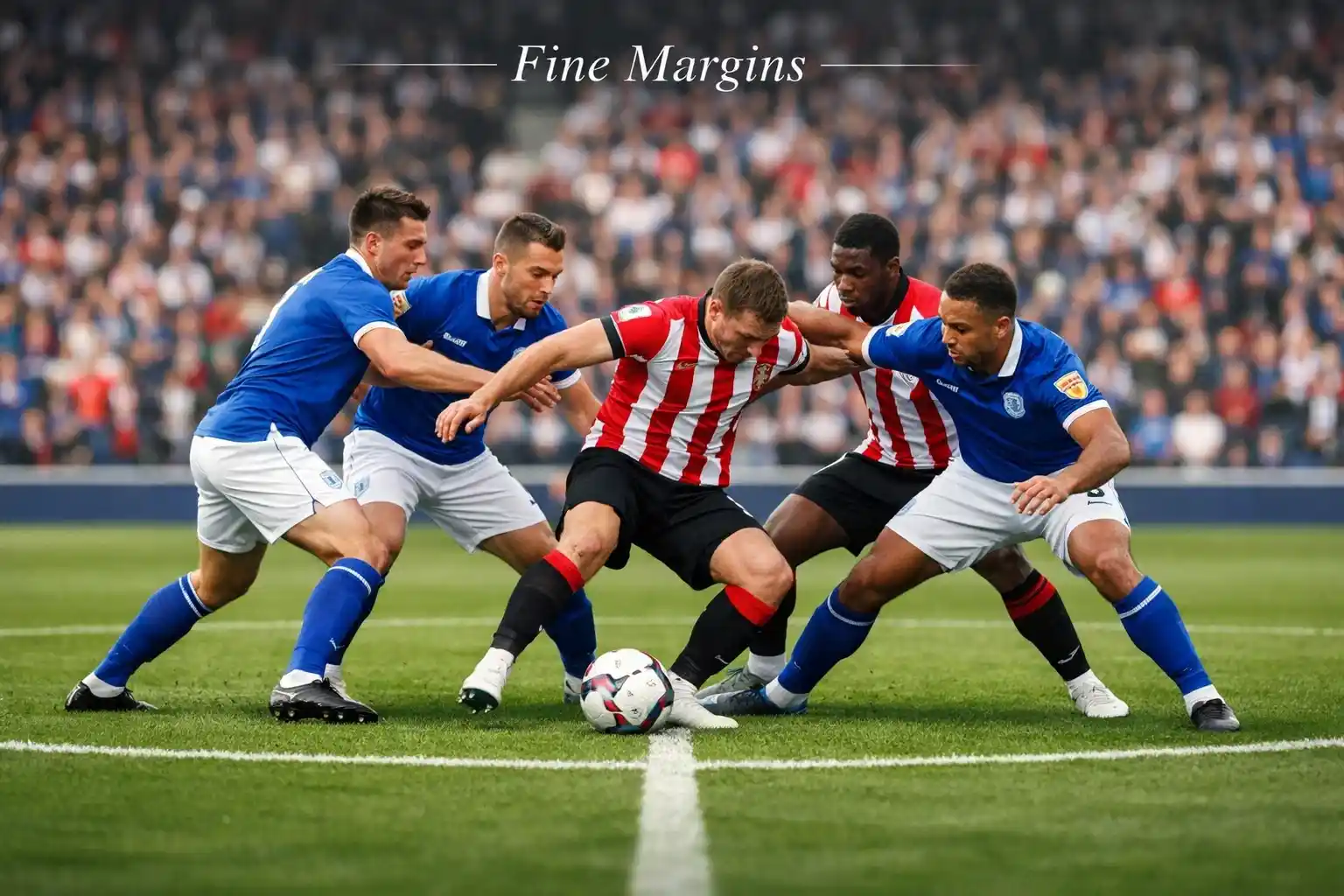
The draw occupies a peculiar position in football betting consciousness. Punters instinctively back teams to win, viewing stalemates as frustrating non-results rather than legitimate betting opportunities. Yet in the EFL Championship, draws occur in approximately 25-28% of matches, making them more common than away wins in most seasons. This frequency, combined with consistently generous odds typically ranging from 3.00 to 4.00, creates a mathematical reality that serious bettors cannot ignore. The draw market offers value precisely because casual punters avoid it, leaving bookmakers less pressured to sharpen their prices.
The Championship’s structural characteristics make it particularly fertile ground for draw betting. Twenty-four teams of relatively similar quality, each playing forty-six matches across a punishing nine-month schedule, creates conditions where decisive results become harder to achieve. Fatigue accumulates, injuries mount, and the difference between a playoff contender and a mid-table also-ran can evaporate over ninety minutes. This competitive compression produces the tight, cagey encounters where neither side can quite break the other down.
What makes draw betting psychologically challenging is the same quality that makes it potentially profitable: you’re betting against both teams winning. While backing a home or away victory aligns you with one set of supporters, backing the draw means hoping both sets leave disappointed. This contrarian position requires different mental framing. Rather than predicting triumph, you’re predicting equilibrium, anticipating that the forces pushing for either outcome will cancel each other out.
Draw analysis is useful when looking at half-time betting strategies.
Table of Contents
Understanding Draw Frequency in the Championship
Championship draw rates have remained remarkably stable over the past decade, fluctuating within a narrow band regardless of which teams comprise the league. This stability suggests that draws reflect structural features of the competition rather than the characteristics of any particular set of clubs. Understanding what produces this consistency helps identify when specific matches might deviate from baseline expectations.
The 46-match season creates cumulative fatigue that affects results differently than shorter campaigns. By March and April, squads running thin on depth field increasingly depleted lineups. Defensive organization, which requires concentration and communication, suffers more than attacking intent under fatigue conditions. Paradoxically, this produces both more goals and more draws, as tired teams trade chances without either establishing the control needed to see out victories. This late-season phenomenon creates predictable windows for draw betting that don’t exist in leagues with fewer fixtures.
Home advantage in the Championship runs lower than in the Premier League, with home teams winning approximately 43-46% of matches compared to roughly 46-49% in the top flight. This reduced home advantage means more matches remain genuinely competitive throughout, with away teams possessing sufficient quality and confidence to take points. When both teams believe they can win, both also become more cautious about losing, producing the risk-averse football that frequently ends level.
Certain scorelines dominate Championship draws. The 1-1 result occurs in approximately 10-11% of all matches, making it the single most common draw outcome. The 0-0 follows at around 7-8%, while 2-2 draws account for roughly 3-4%. These three scorelines represent the overwhelming majority of draws, with higher-scoring stalemates relatively rare. Understanding that most draws involve minimal goals helps identify which matches suit draw selections versus those more likely to produce decisive high-scoring results.
Identifying Draw-Prone Fixtures

Not all Championship matches carry equal draw probability. Certain configurations reliably produce stalemates more frequently than league averages, and recognizing these setups before bookmakers fully price them creates value opportunities.
Matches between teams occupying similar table positions historically produce elevated draw rates. When ninth plays eleventh, or fifth faces seventh, neither side possesses the clear superiority needed to impose themselves. These encounters become tactical chess matches where avoiding defeat matters as much as securing victory. Managers recognize when they’re evenly matched and adjust their approaches accordingly, producing the conservative football that ends level.
Fixture context significantly influences draw probability. Teams returning from international breaks often display disrupted preparation that affects both attack and defense. The first match after a managerial appointment frequently sees cautious approaches as new bosses prioritize organization over expression. Season-opening fixtures, when teams haven’t yet found rhythm, produce draws at rates exceeding mid-season norms. Each of these contexts creates conditions favoring equilibrium that odds don’t always fully reflect.
Weather conditions affect draw probability in ways casual bettors overlook. Heavy rain and strong winds disrupt attacking patterns while making goalkeeping more hazardous. Poor visibility reduces passing accuracy and increases random elements in play. These conditions push expected goals lower while also making individual moments more decisive, a combination that paradoxically favors draws. When conditions deteriorate, the probability of a dominant performance decreases even if individual defensive errors become more likely.
Team Profiles and Draw Tendencies
Certain Championship teams develop reputations as draw specialists, their profiles making stalemates more likely regardless of opposition. Understanding why some teams consistently produce draws helps both identify value selections and avoid teams whose apparent draw frequency reflects randomness rather than underlying tendency.
Teams with strong defenses but limited attacking output represent the most obvious draw candidates. These sides concede rarely but also struggle to score, producing matches where one goal often decides the outcome but zero goals remains likely. Their matches frequently end 0-0 or 1-1, with comfortable victories rare on either side. Identifying these profiles early in seasons, before bookmakers fully adjust their pricing, creates temporary value windows.
Managerial philosophy drives draw frequency more than squad quality in many cases. Some managers prioritize defensive organization and calculated risk, accepting draws against stronger opponents as acceptable outcomes. Others press for victories regardless of context, creating open matches that rarely end level. Understanding where managers fall on this spectrum helps predict which fixtures suit draw selections. The conservative meeting the conservative produces stalemates; the aggressive facing the aggressive produces chaos.
Home and away splits reveal valuable information about draw tendencies. Some teams draw frequently at home, their cautious approach in front of supporters preventing the adventurous football needed to win but also the vulnerability that leads to defeats. Others draw predominantly away, their defensive traveling setups effective at frustrating hosts without quite producing the quality needed to steal victories. These venue-specific tendencies create opportunities when generic draw odds fail to account for where matches are being played.
Staking and Value Assessment
Draw betting requires specific staking approaches that differ from traditional match betting. The odds structure and probability distribution demand adjusted expectations and disciplined execution.
The typical Championship draw price of 3.20 to 3.50 implies roughly 28-31% probability after margin adjustment. If your analysis suggests a specific match carries 33% or higher draw probability, you’ve identified potential value. This edge might seem modest, but compound it across dozens of selections and the mathematics favor consistent profit. The challenge lies in accurately assessing probability rather than simply backing draws at random.
Consider draw no bet or double chance markets as alternatives when draw probability is elevated but not overwhelming. These markets sacrifice some upside to reduce variance, producing smaller but more frequent wins. For bettors building draw betting experience, these adjacent markets offer gentler introduction to the dynamics involved while still profiting from draw-prone fixture identification.
Accumulator discipline matters particularly in draw betting. The temptation to combine multiple draw selections into high-odds accumulators is strong, given individual draw prices already exceed 3.00. Resist this temptation. Draws are negatively correlated with each other across a matchday, meaning one match ending level doesn’t increase the probability of another doing so. Building draw accumulators treats independent events as though they’re connected, a fundamental analytical error that destroys expected value despite attractive headline odds.
Situational Draw Strategies
Certain recurring Championship situations produce draw rates sufficiently elevated to warrant systematic betting approaches. Identifying and exploiting these patterns creates reliable profit streams that don’t require match-by-match analysis.
Derby matches between local rivals historically produce fewer decisive results than neutral fixtures. The intensity and emotion of these encounters creates tighter, more cautious football where neither side wants to suffer the embarrassment of defeat. While individual derbies can produce thrilling high-scoring encounters, the aggregate data shows elevated draw rates. Backing draws in derbies at standard prices creates systematic value that compounds across seasons.
End-of-season matches involving teams with secured positions produce distinctive patterns. When a promoted team faces a relegated team in April or May, motivation asymmetry disappears. Neither team has anything at stake, both field experimental or rotated lineups, and the match becomes an exhibition rather than competition. These dead rubbers frequently end level, the lack of competitive tension preventing either side from sustaining the effort needed to win.
Matches following international breaks see elevated draw rates as clubs reassemble scattered squads with limited preparation time. Players returning from national team duty may carry minor injuries or fatigue that managers prefer not to risk. The disrupted preparation affects attacking cohesion more than defensive structure, pushing matches toward lower-scoring outcomes where draws become more likely. Systematically backing draws in post-international break fixtures generates edges that casual bettors overlook.
Long-Term Profitability Considerations
Sustainable draw betting profits require patience, discipline, and realistic expectations. The variance inherent in betting on outcomes with roughly 27% baseline probability means losing streaks will occur, sometimes extending longer than intuition suggests reasonable.
Track your results meticulously, recording not just outcomes but your pre-match probability assessments. Over time, compare your predicted draw probability against actual results. If you’re consistently overestimating draw probability, adjust your models. If actual draw rates exceed your predictions, examine whether you’re being too conservative. This calibration process, requiring hundreds of selections to produce meaningful data, separates serious draw bettors from those hoping luck will compensate for analytical weakness.
Bankroll management becomes critical given draw betting’s variance profile. Staking 1-2% of bankroll per selection allows survival through inevitable cold streaks while still permitting meaningful compounding during winning periods. More aggressive staking might accelerate profits during favorable stretches but risks ruin during extended losing runs that draw betting’s probability structure makes inevitable.
The Championship’s draw market rewards those who combine statistical understanding with contextual insight. Neither pure number-crunching nor instinctive feel produces optimal results alone. The bettors who profit consistently are those who know which configurations produce draws, understand why those patterns exist, and have the patience to let probabilities manifest over sufficient sample sizes.
Find value in stalemates on our EFL football portal.