
Stratégies de paris à la mi-temps
 Available in US

Half-time markets occupy a distinctive position in Championship betting, offering opportunities that full-time markets cannot replicate. The interval between halves creates a natural pause where bettors can reassess based on forty-five minutes of actual performance rather than pre-match speculation. Teams trailing at the break face different incentives than those leading, managers make tactical adjustments that alter second-half dynamics, and physical conditions that emerge during the first period influence how the remaining forty-five minutes will unfold.
What makes half-time betting particularly valuable in the Championship is the division’s tendency toward second-half drama. The competitive balance means halftime leads frequently evaporate, while the physical demands of the 46-match season produce late-game fatigue that creates goals in periods when tighter leagues might see matches peter out. Understanding these Championship-specific patterns transforms half-time betting from speculative punt to strategic opportunity.
The market structure at half-time differs fundamentally from pre-match. Bookmakers have watched the same forty-five minutes you have, adjusting their probability assessments based on witnessed performance. Yet this real-time information doesn’t eliminate edges. Interpretation matters as much as observation, and bettors who process first-half evidence more accurately than markets can still identify value despite the shared information base.
If you prefer full-game markets, check our over goals betting guide.
Table of Contents
Understanding Half-Time Market Dynamics
Half-time odds reflect bookmakers’ updated assessments following forty-five minutes of evidence. These assessments incorporate scoreline, performance metrics, and any significant events like injuries or tactical changes. Yet the translation from observed football to probability estimates remains imperfect, creating value for those who identify where market prices diverge from likely outcomes.
The scoreline dominates half-time pricing but often receives excessive weight relative to performance. A team leading 1-0 might have scored against the run of play from their only chance while their opponent dominated possession and created numerous opportunities. Half-time odds typically won’t fully reflect this underlying dynamic, instead pricing the leading team as favorites based primarily on their scoreline advantage.
Performance metrics visible during matches provide context that scorelines cannot capture. Shot counts, territorial dominance, and attacking threat create probability adjustments that markets incorporate imperfectly. Bettors who track these metrics systematically can identify situations where first-half performance suggests second-half outcomes that odds don’t fully reflect.
Team-specific second-half patterns create systematic opportunities. Some Championship sides consistently improve after the interval, their managers making effective adjustments based on first-half observation. Others fade as fitness limitations emerge or tactical predictability allows opposition adaptation. Knowing these tendencies in advance allows targeted half-time betting that exploits predictable patterns.
Pre-Match Research for Half-Time Betting
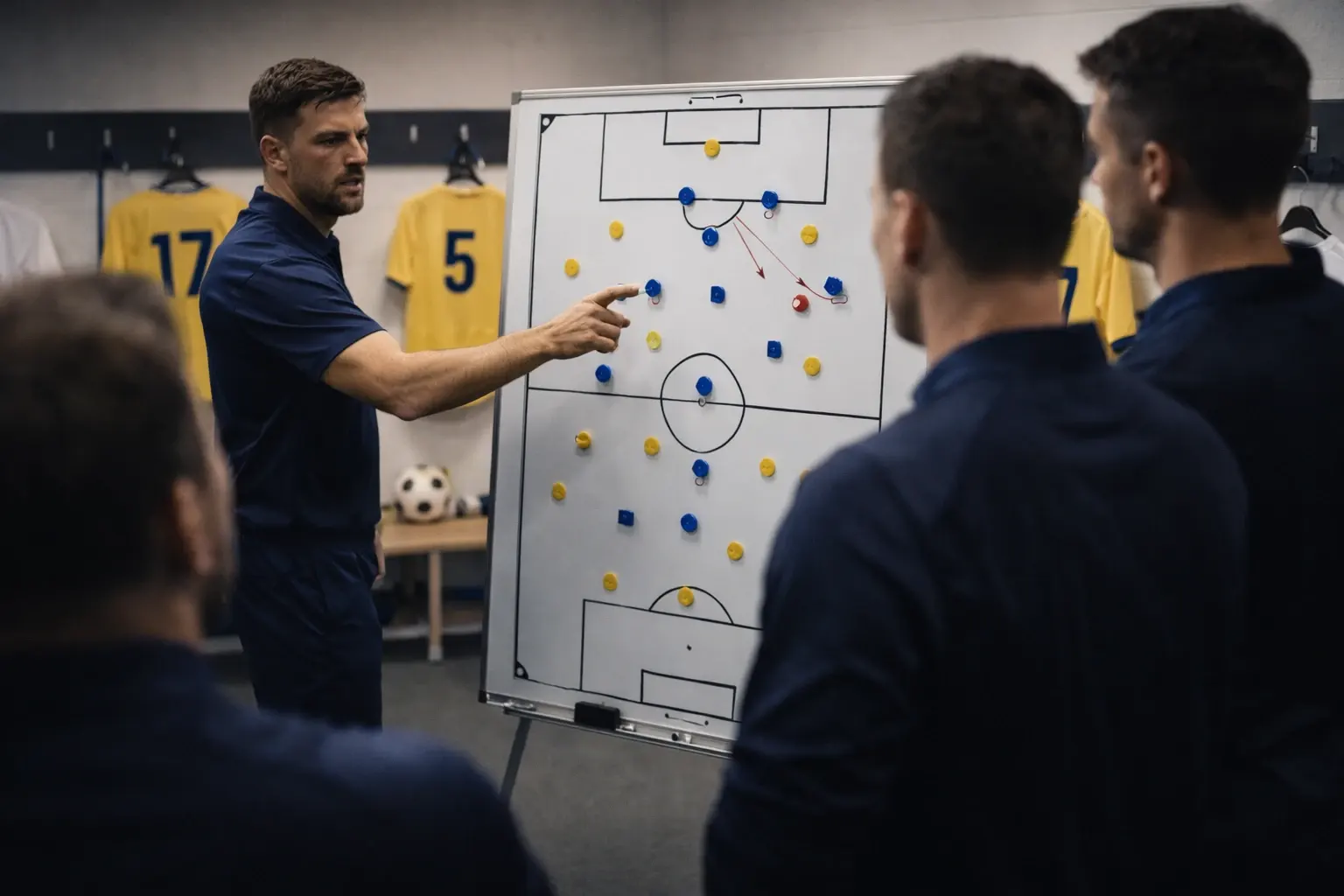
Effective half-time betting requires preparation conducted before matches begin. This research identifies which situations warrant half-time intervention and which teams’ patterns create systematic opportunities.
Study first-half versus second-half goal distributions for all Championship teams. Some sides score disproportionately in opening periods, their early energy producing chances that later fatigue cannot replicate. Others are genuine second-half specialists whose managers prefer assessing opposition before committing to attacking approaches. These temporal profiles, visible in split statistics, create predictable opportunities that pre-match research reveals.
Identify teams whose second-half performance contradicts first-half evidence. Some sides regularly trail at halftime before mounting comebacks, their slow starts reflecting tactical conservatism rather than quality deficits. Others frequently squander halftime leads, their inability to maintain intensity creating second-half vulnerability. These patterns suggest half-time positions that historical evidence supports.
Note managerial tendencies regarding half-time adjustments. Some Championship managers are renowned for effective interval interventions, their tactical changes consistently improving second-half performance. Others struggle to adapt once initial plans encounter resistance. Understanding these reputations helps predict which teams will improve or decline after the break.
Interpreting First-Half Evidence
The forty-five minutes preceding halftime provide information that accurate interpretation can exploit. Distinguishing meaningful patterns from noise requires systematic assessment of multiple factors.
Shot quality matters more than shot quantity. A team with twelve shots but all from distance might be less threatening than one with four shots from inside the box. Expected goals metrics, increasingly available through live statistics, capture this quality dimension that raw shot counts miss. Teams whose first-half xG significantly exceeds or falls short of their goals scored might see second-half regression that half-time odds don’t fully anticipate.
Physical condition observations predict second-half performance. Players showing fatigue during the first half will likely struggle more severely in the second. Teams pressing intensively in opening periods might lack energy for maintaining that effort after the break. These visible fitness indicators suggest half-time positions based on anticipated physical trajectories.
Tactical shape and its vulnerability inform second-half expectations. If first-half analysis reveals exposed weaknesses that opponents haven’t yet exploited, second-half capitalization becomes more likely. Conversely, if a team’s attacking approach has produced numerous chances without goals, continued execution might eventually produce the breakthrough that first-half frustration denied.
Specific Half-Time Betting Approaches
Different situations warrant different half-time approaches. Understanding which strategies suit which circumstances improves both selection quality and expected returns.
Backing teams trailing at halftime against run of play represents the classic half-time opportunity. When performance metrics heavily favor the trailing team, second-half goal expectation often exceeds what their deficit suggests. These situations provide value because market prices incorporate scoreline evidence that contradicts underlying match dynamics.
Supporting over goals markets when halftime scorelines are low despite open play captures value from games poised to produce second-half goals. If both teams have created chances without converting, continued attacking football might finally yield the goals that first-half finishing didn’t produce. The goalless or low-scoring halftime state creates under-pricing for total goals markets.
Backing favorites whose halftime leads seem precarious exploits situations where scoreline advantages exceed performance merit. A team leading 1-0 but being dominated might see their odds remain shorter than performance justifies. Conversely, backing underdogs level at halftime despite being outplayed acknowledges their vulnerability in ways current odds might not.
Staking and Risk Management
Half-time betting requires specific staking approaches that reflect the unique characteristics of interval wagering. The combination of real-time information and reduced remaining duration creates distinctive risk profiles.
Stake sizing should acknowledge the compressed timeframe. Half-time bets resolve over forty-five minutes rather than ninety, meaning variance plays out faster than full-match wagering. Reducing stakes relative to pre-match betting recognizes this accelerated resolution while still allowing participation in valuable opportunities.
Consider partial cashout options where available. If a pre-match selection is progressing favorably at halftime, partial cashout locks in some profit while maintaining exposure to continued success. If a selection is struggling, partial cashout limits losses while preserving hope of recovery. These options provide flexibility that pure half-time betting cannot offer.
Avoid compounding by chasing halftime losses through additional second-half betting. The temptation to recover disappointing first halves by increasing second-half stakes leads to the spiral of losses that destroys bankrolls. Each half-time decision should be evaluated independently based on current expected value, not as an attempt to offset previous results.
Championship-Specific Half-Time Patterns
The Championship produces distinctive half-time patterns that transfer approaches from other leagues must recognize. The division’s unique characteristics create opportunities unavailable elsewhere.
Teams trailing at halftime complete comebacks at higher rates than Premier League equivalents. The competitive balance means early leads prove less secure, with trailing teams possessing sufficient quality to threaten recovery. This elevated comeback rate creates value in backing halftime trailers at prices that other leagues’ lower comeback rates might not justify.
Second-half goal rates exceed first-half rates in the Championship more consistently than in tighter leagues. The physical demands of the season create fatigue that opens matches up after the interval, particularly during fixture-congested periods. Understanding this temporal goal distribution helps identify over opportunities at halftime that scorelines might obscure.
Managerial substitution patterns differ meaningfully across Championship clubs. Some managers make half-time changes aggressively, introducing fresh legs immediately after the interval. Others wait until the sixtieth minute or later before changing their approach. Knowing these tendencies helps predict when second-half dynamics might shift and position half-time bets accordingly.
Common Half-Time Betting Errors
Recognizing and avoiding common half-time mistakes improves long-term profitability. These errors recur because the emotional intensity of watching first halves undermines rational assessment.
Overweighting scoreline relative to performance represents the most common error. The visual impact of goals creates psychological anchoring that leads bettors to neglect performance metrics suggesting different probability distributions. Maintaining perspective on underlying dynamics rather than just outcomes improves half-time betting quality.
Ignoring contextual factors that affect second-half incentives leads to mispriced assessments. A team leading 1-0 with nothing at stake plays the second half differently than one needing victory for promotion or survival. Understanding what scorelines mean for each team’s objectives helps predict second-half intensity and approach.
Betting without systematic frameworks transforms profitable strategy into gambling. The most successful half-time bettors develop structured approaches that specify which situations warrant intervention, what stake sizes suit each opportunity, and how to evaluate first-half evidence consistently. This systematic approach outperforms ad hoc decisions based on intuition or excitement.
Half-time betting rewards those who combine pre-match preparation with disciplined interpretation of first-half evidence. Understanding Championship-specific patterns, identifying teams whose second-half tendencies create systematic opportunities, and maintaining rigorous risk management transforms the fifteen-minute interval into a valuable betting window.
Get early game insights on our Championship wagering hub.